How to read the investigation’s numbers
Lovable generates websites and apps from written instructions. Supabase is one of the services those apps can use to store data. Crissy Field looked at what visitors without an account could receive from those apps. Handelsblatt published its investigation on 2 November 2026. The research report updates the figures from that first article.
- 159,041 Lovable projects identified in Common Crawl, a public web archive, from December 2025 to September 2026. Of those, 34,545 used Supabase.
- 24,664 sites sent Supabase records on page load, with no sign-in. Those records could be intended for the public, like a service’s available time slots.
- On 7,403 of those 24,664 sites, researchers found records containing email addresses. That is about 30% of the subset examined more closely. Some addresses may have been public or used for testing. The sample does not represent all Lovable apps.
One calendar, four views
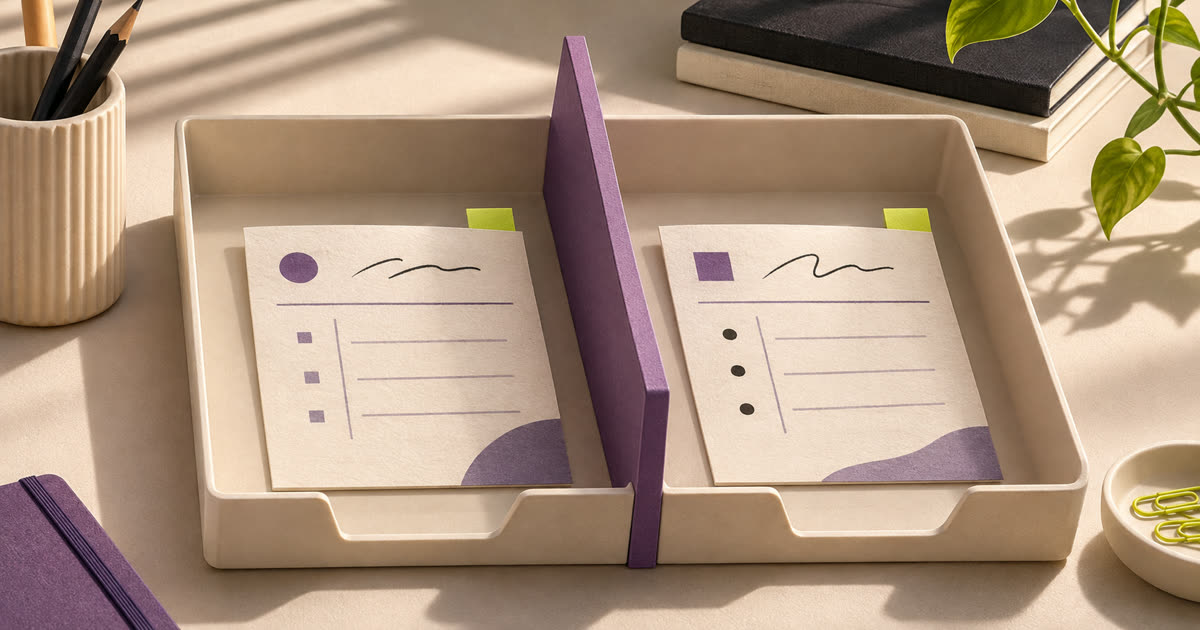
Picture a fictional booking portal. Open time slots appear in all four views. Booked appointments also contain customer names and notes. A signed-out visitor sees only the open slots. Anna also sees her own booking once she signs in. Luca sees his. The staff member sees both bookings if they are at the location that person manages.
Each view corresponds to a set of records that person is allowed to see. Signing in tells the app who they are. The server or database must enforce that boundary even when the interface changes.
In Supabase, Row Level Security (RLS) lets the database enforce rules such as allowing customers to read their own bookings. Those rules work alongside database privileges. Check them for each operation your app supports, including reading and changing records.
A test with Anna, Luca and a staff account
In a test copy of your own app, set up two fictional customers with one booking each and a staff account. Write down these expected results and compare them with what the app returns.
- Signed-out visitor. They see public time slots and receive no customer names or booking notes.
- Anna. She sees her own booking and can change it if the service allows that. Luca’s booking stays private.
- Luca. He gets the reverse result, which checks that the rule holds in both directions.
- Staff. They see only what they need for their role. If they manage one location, include a fictional booking at a different location.
Before you collect real data
If one user receives information that belongs to another, correct the rule and repeat the check with the same fictional records. Keep the expected results as tests to rerun when you add a role, an export or a new way to share bookings.
This portal example covers the roles and operations it lists. A real app also needs checks for its own features, such as attachments, exports and notifications where applicable.